Scale of Impact
Apis creates impact by investing in growth-stage financial services companies globally



Apis creates Impact
The types of impact that Apis creates through investing in growth-stage financial services companies globally is multifaceted:

Financial inclusion
Enhances economic participation and the ability to cope with shocks and build assets

Financial wellness
Increases the ability to manage day-to-day finances and plan for the future

Financial infrastructure development
Facilitates access to formal financial services and deepens the wider financial system

Business growth
Creates jobs, increases productivity and drives inclusive economic growth

Gender equality
Increases women’s economic empowerment

Jobs and livelihoods
Expands productive employment and decent work
Apis’ Impact is vast
The impact created by Apis’ investments is vast:
Financial inclusion
Enhances economic participation and the ability to cope with shocks and build assets
Financial inclusion is cited as being foundational for long-term economic development and poverty alleviation globally (CGAP), providing low- and middle-income communities with an enhanced ability to participate in the economy, manage risk, weather shocks, and ultimately transcend perpetual poverty.
Access to formal financial services can lead to a number of positive development outcomes (World Bank) including increased consumption, increased productivity, greater investment in preventive health, higher levels of savings, and greater resilience to economic shocks; all of which leads to greater social equity – this is what Apis helps to provide.

people reached
by Apis portfolio companies
1.3x since Apis first invested
Total number of all individual clients served directly by all Apis portfolio companies over the lifetime of Apis Fund I, II, & III, as at 31 Dec 2024
of payments value processed
by Apis portfolio companies
2.6x since Apis first invested
Cumulative USD total value of payments processed by Apis portfolio companies offering transaction services over the lifetime of Apis Fund I, II, & III, as at 31 Dec 2024; local currency payment value figures from each relevant Apis portfolio company are converted to USD using average respective FX rates for each calendar year
average transaction value processed
by Apis portfolio companies
Average USD value per transaction processed by Apis portfolio companies offering transaction services (on a cumulative basis) over the lifetime of Apis Fund I, II, & III, as at 31 Dec 2024; local currency payment value figures from each relevant Apis portfolio company are converted to USD using average respective FX rates for each calendar year

Financial wellness
Increases the ability to manage day-to-day finances and plan for the future
Enhancing the ability for people to better manage their financial lives and plan for unexpected events strengthens household stability, increases economic participation, and builds long-term resilience (OECD) in both growth markets and developed markets globally.
Financial wellbeing is recognised to have a knock-on effect on almost every other aspect of life, including physical and mental health (MaPS), and so access to tools, products, and services which promote financial wellness and literacy is important for overall wellbeing – this is what Apis helps to create.

of insurance policies underwritten
by Apis portfolio companies
2.9x since Apis first invested
Cumulative USD total value of gross written premium (‘GWP’) underwritten by Apis portfolio companies offering insurance products over the lifetime of Apis Fund I, II, & III, as at 31 Dec 2024; local currency GWP from each relevant Apis portfolio company are converted to USD using average respective FX rates for each calendar year
of micro-loans disbursed
by Apis portfolio companies
1.6x since Apis first invested
Cumulative USD total value of micro-loans disbursed to individuals and SMEs by Apis portfolio companies offering microcredit products over the lifetime of Apis Fund I, II, & III, as at 31 Dec 2024; local currency micro-loan disbursement from each relevant Apis portfolio company are converted to USD using average respective FX rates for each calendar year
users of financial wellness tools
provided by Apis portfolio companies in 2024
The number of active users of financial wellness tools provided by Apis portfolio companies that support improved financial health and literacy, across Apis Fund I, II, & III, within calendar year 2024
Financial infrastructure development
Facilitates access to formal financial services, and deepens the financial system
The development of digital financial infrastructure (as the underlying foundation for the financial system) contributes to global economic development (IGI Global) and the ongoing digitisation of economies globally (Accion).
The ability for consumers and businesses to make non-cash based payments, save funds electronically, and access banking networks and digital financial platforms, is considered as the first step for improving access to formal financial services (CGAP) – this is what Apis helps to develop.
financial services touchpoints
operated by Apis portfolio companies
2.3x since Apis first invested
Total number of branches, ATMs, agents, and digital touchpoints operated by all Apis portfolio companies over the lifetime of Apis Fund I, II, & III, as at 31 Dec 2024
merchants that accept electronic payments
served by Apis portfolio companies
1.7x since Apis first invested
Total number of merchants served by all Apis portfolio companies offering transaction services over the lifetime of Apis Fund I, II, & III, as at 31 Dec 2024
cashless payments enabled
by Apis portfolio companies
2.7x since Apis first invested
Cumulative total number of payments (volume) processed by Apis portfolio companies offering transaction services over the lifetime of Apis Fund I, II, & III, as at 31 Dec 2024

Business growth
Creates jobs, raises productivity, and drives inclusive economic growth
Strong and inclusive private-sector growth is essential for generating employment and lifting people’s living standards globally (World Bank).
Growth stage companies sit at the intersection of economic expansion, job creation, and community development – this is what Apis is focused on.

total revenue
across Apis portfolio companies in 2024
Total USD revenue of active Apis portfolio companies (non-exited portfolio companies as at 31 Dec 2024), across Apis Fund I, II, & III, within calendar year 2024; local currency revenue figures from each Apis portfolio company are converted to USD using average respective FX rates for calendar year 2024
annual revenue growth (in USD)
on average for all Apis portfolio companies across Apis' investment period
2.4x since Apis first invested
Average compound annual growth rate (CAGR) of USD revenue since Apis’ investment over the respective holding periods for all Apis portfolio companies, over the lifetime of Apis Fund I, II, & III) as at 31 Dec 2024; simple average across all portfolio companies applied; local currency revenue figures from each Apis portfolio company are converted to USD using average respective FX rates for calendar year 2024
annual revenue growth (in local currency)
on average for all Apis portfolio companies across Apis' investment period
2.9x since Apis first invested
Average compound annual growth rate (CAGR) of local currency revenue since Apis’ investment over the respective holding periods for all Apis portfolio companies (excluding those portfolio companies which consolidate their financials into USD), over the lifetime of Apis Fund I, II, & III) as at 31 Dec 2024; simple average across all portfolio companies applied
Gender equality
Increases women’s economic empowerment
Advancing women’s economic opportunities is critical to helping to achieve gender parity overall, and creating a more prosperous world for all. Ensuring that workplaces are free of ongoing gender-related discrimination and bias is not only important for enhancing women’s opportunities, though closing the gender gap in labour markets has also been found to lead to outsized business performance (MSCI) and is cited to lead directly to GDP growth in the global economy (IMF).
Investing in women’s economic opportunities can have a multiplier effect on poverty reduction and prosperity, and increasing women’s income has larger household welfare impacts than equivalent income gains for men (World Bank) – this is what Apis facilitates.

women reached
by Apis portfolio companies' products and services (estimated)
1.3x since Apis first invested
An estimate of the total number of people reached by financial products and services from all Apis portfolio companies over the lifetime of Apis Fund I, II, & III, as at 31 Dec 2024; estimate made using data from the World Bank on share of women with an account at a financial institution or with a mobile-money-service provider, and share of female business owners, and applying this data respectively to the number of individual clients and SME organisational clients served directly by Apis portfolio companies based on their region of operation
female employees directly employed
by Apis portfolio companies
2.2x since Apis first invested
Total number of female full-time employees of all Apis portfolio companies over the lifetime of Apis Fund I, II, & III, as at 31 Dec 2024
of portfolio employees are female
across Apis portfolio companies
+4 percentage points since Apis first invested
Total of female full-time employees as a proportion of total of all full-time employees of all Apis portfolio companies over the lifetime of Apis Fund I, II, & III, as at 31 Dec 2024

Jobs and livelihoods
Expands productive employment and decent work
Growth-stage companies are the backbone of growing economies and represent scaling proven businesses, formalising employment, and generating ripple effects across entire value chains.
High-growth small, and medium enterprises (‘SMEs’) can create up to 65% of net new jobs in emerging economies (IFC), and they also represent a disproportionately large contribution to employment growth in developed economies (Bank of England) – this is where Apis invests.
SMEs reached
by Apis portfolio companies
1.5x since Apis first invested
Total number of all SME organisational clients served directly by all Apis portfolio companies over the lifetime of Apis Fund I, II, & III, as at 31 Dec 2024
people directly employed
by Apis portfolio companies
2.0x since Apis first invested
Total number of all full-time employees of all Apis portfolio companies over the lifetime of Apis Fund I, II, & III, as at 31 Dec 2024
of salaries paid
by Apis portfolio companies in 2024, flowing through local economies
Total USD spend on salaries across all employees of active Apis portfolio companies (non-exited portfolio companies as at 31 Dec 2024), across Apis Fund I, II, & III, within calendar year 2024; local currency salary figures from each Apis portfolio company are converted to USD using average respective FX rates for calendar year 2024
Apis’ Impact is real
The impact created by the companies invests in is real.
Learn more about Apis’ work to create value and social impact is these selected examples from our portfolio:

Digital retail banking in Africa

Impact investment thesis
- Enables access to banking services and broadens financial participation for the un- and under-banked
- Structurally lowers the cost of banking through technology
- Reduces household spending pressures through a salary advance account feature
Products and services
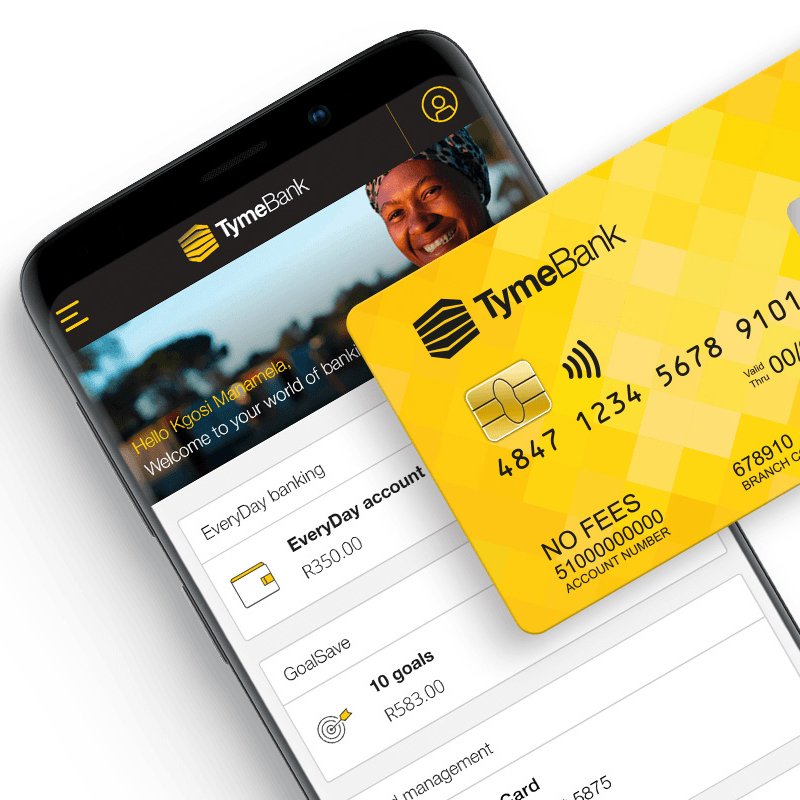
savings account

banking

loyalty
Impact outcomes
- 80% of customers reported a decrease in amount spent on bank fees
- 73% of customers reported an increase in savings balances due to Tyme
- 67% of customers report they could not easily find an alternative to Tyme
Source: Case study conducted amongst a statistically significant sample of Tyme Bank customers

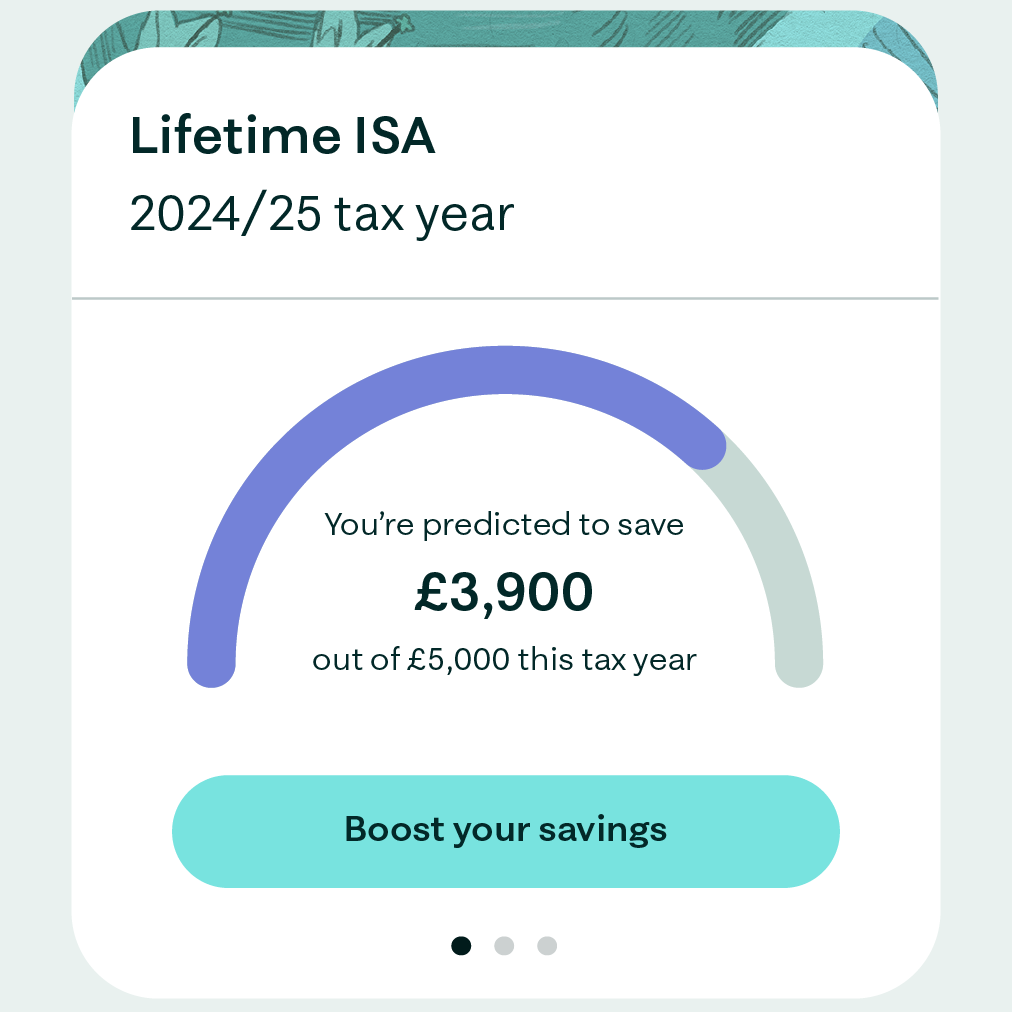
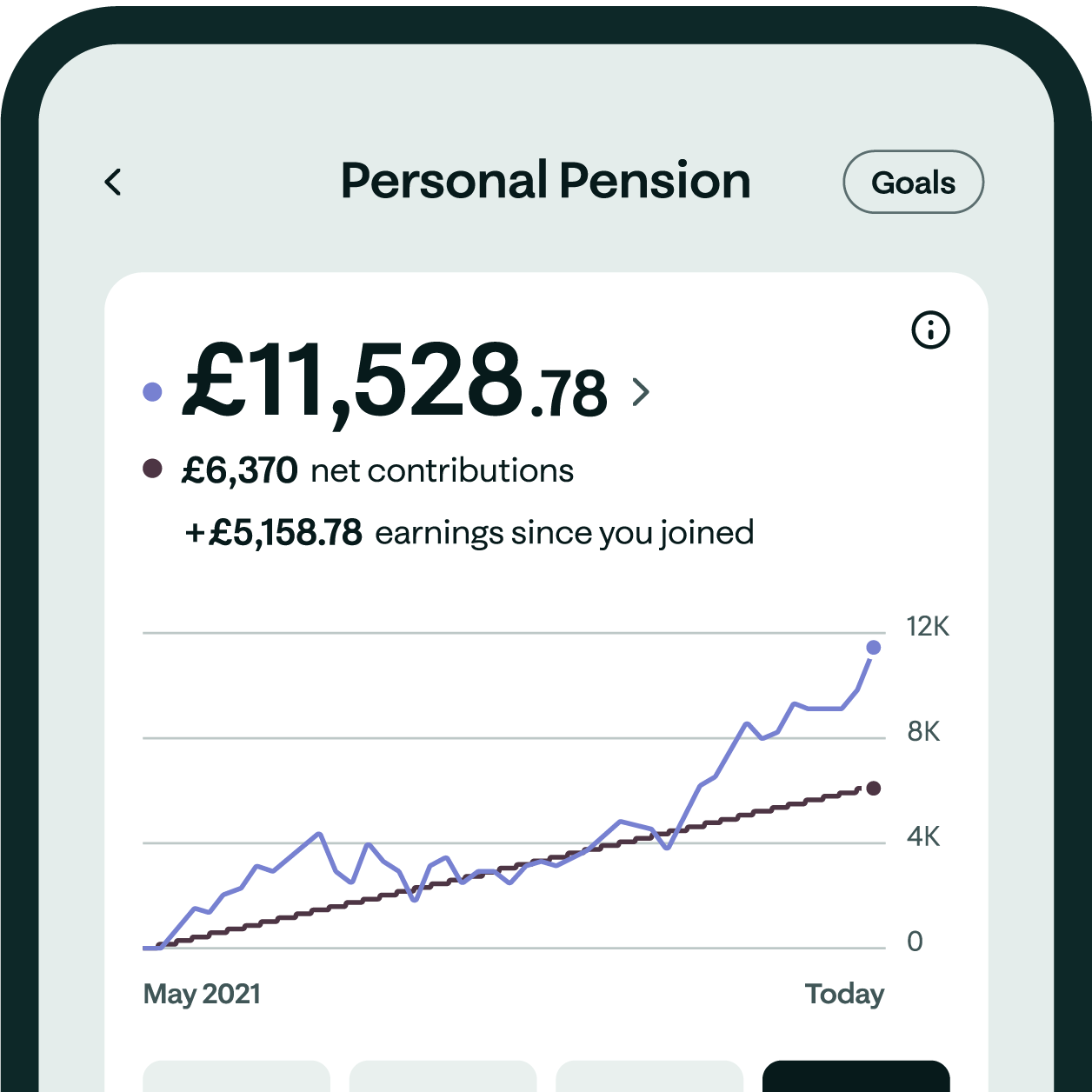
Savings and wealth management platform in the UK

Impact investment thesis
- Moneybox’s offering promotes financial inclusion in the UK, given that its target customer focus is the mass-market, a segment previously overlooked by traditional wealth managers
- Offers some of the highest cash savings rates in the market for consumers (cash investing is the single largest way the UK population invest their savings)
- Fosters financial health in UK society through education and promotion of responsible investing and savings strategies, with a consumer protection focused approach
Products and services

Impact outcomes
- Has enabled over 1.5 million customers to start saving and investing with small amounts
- Has achieved carbon-neutral operations with reduced per-employee emissions
- Has channelled capital allocation towards ESG-aligned investments
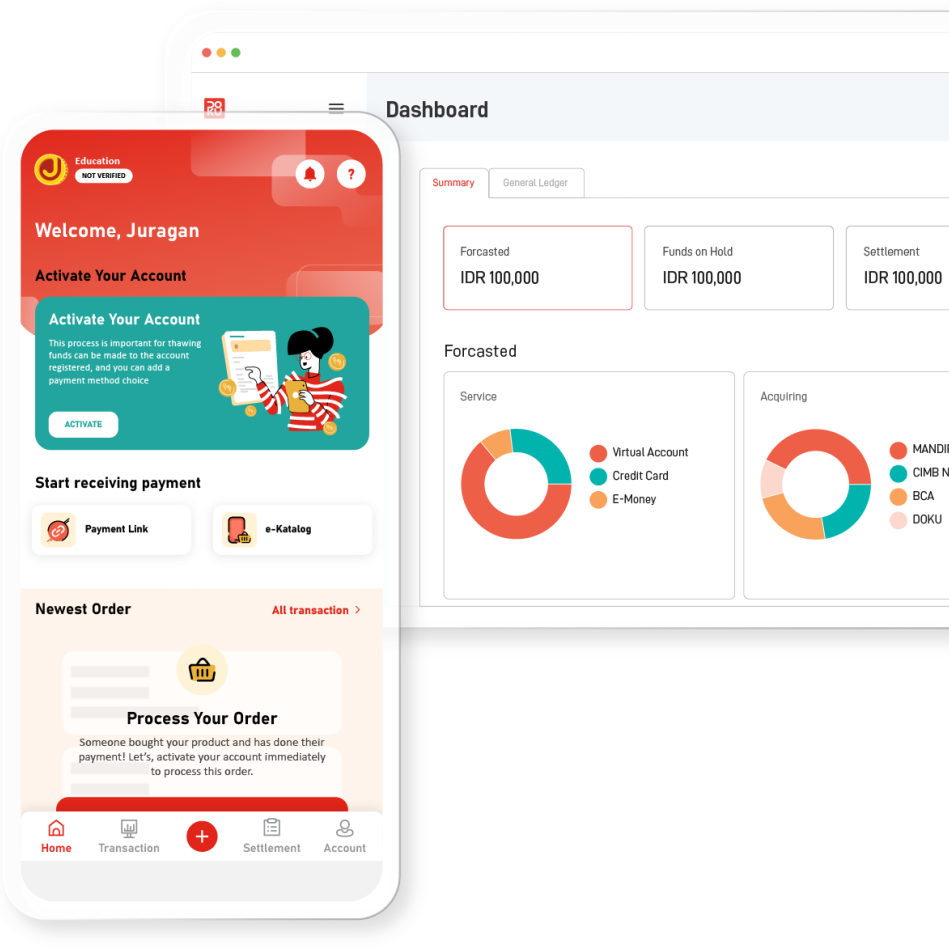
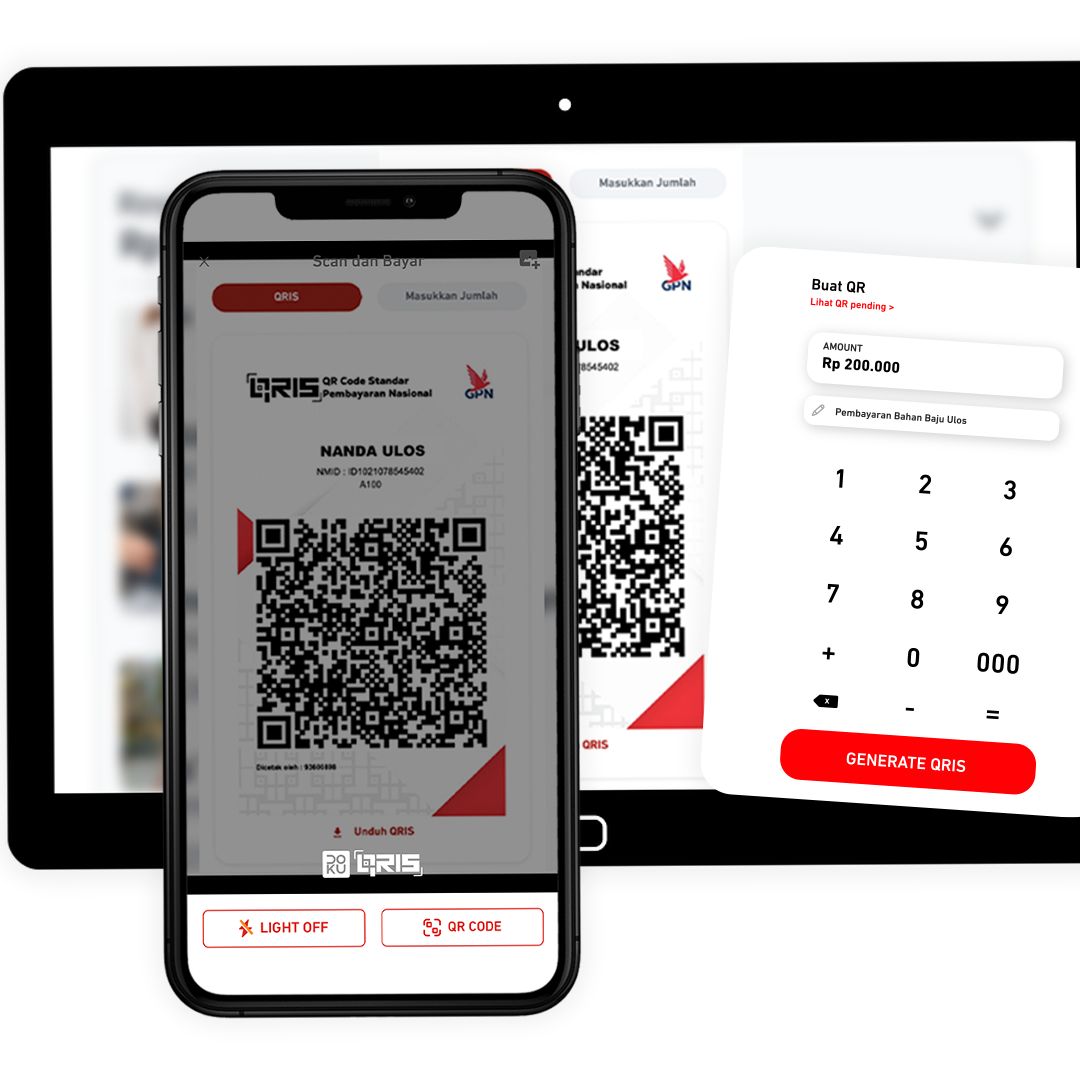
Online payments in Asia

Impact investment thesis
- Reduces friction and increases efficiency for MSMEs whilst doing business
- Contributes to the ongoing digitisation of the region by helping entrepreneurs to take their businesses online
- Provides a prepaid eMoney account for the underserved consumer segment which enables access to banking services
Products & services

Impact outcomes
- 55% of Doku’s merchants are gaining first-time access to payment services for the first time
- 65% of Doku’s merchants consider Doku’s costs to be inexpensive
- Over 50% of Doku’s merchants reported marginal increases in income, profits, and financial management ability due to Doku